Holy Week: Wednesday

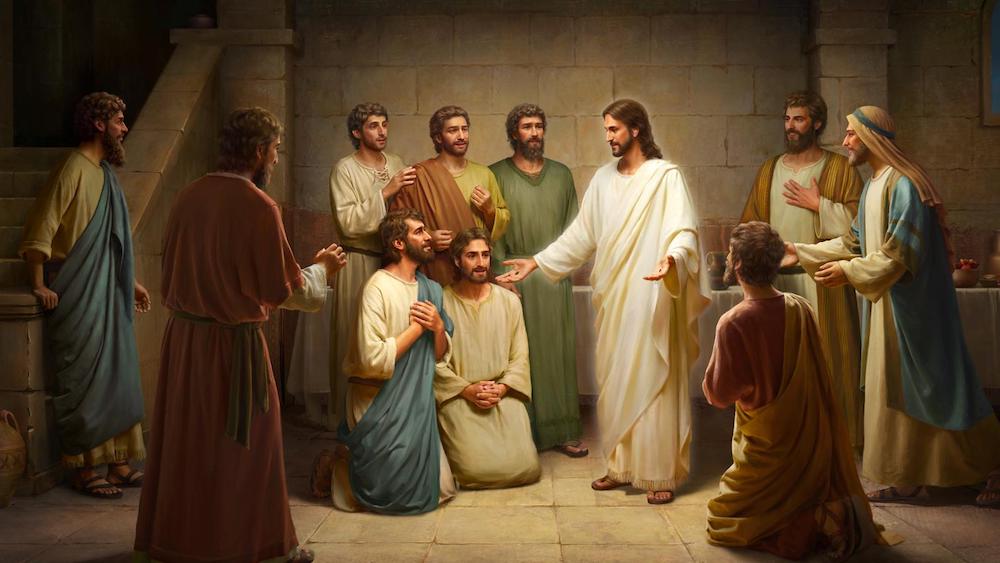
The Bible doesn’t really say what Jesus did on Wednesday of Holy Week. Some scholars speculate that after two eventful (read stressful) days in Jerusalem, he and the disciples spent the day resting in Bethany in preparation of Passover.

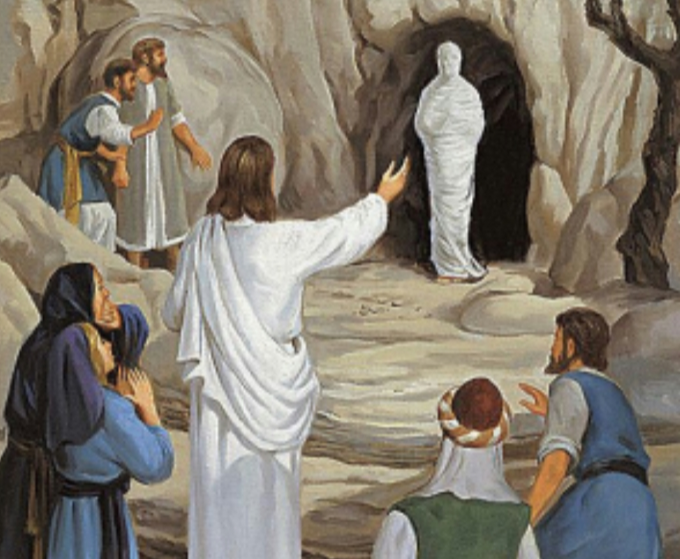
Jesus had recently proven he had the power over life and death when he raised Lazarus. Because the raising of Lazarus caused many to believe in Jesus, later plots to kill Jesus also involved killing Lazarus. His sister Mary anointed Jesus’ feet with expensive perfume. This event is often confused with an unnamed “sinful woman” recorded in Luke 7 that washed Jesus’ feet with her tears but that was neither Mary Magdalene nor Mary of Bethany.

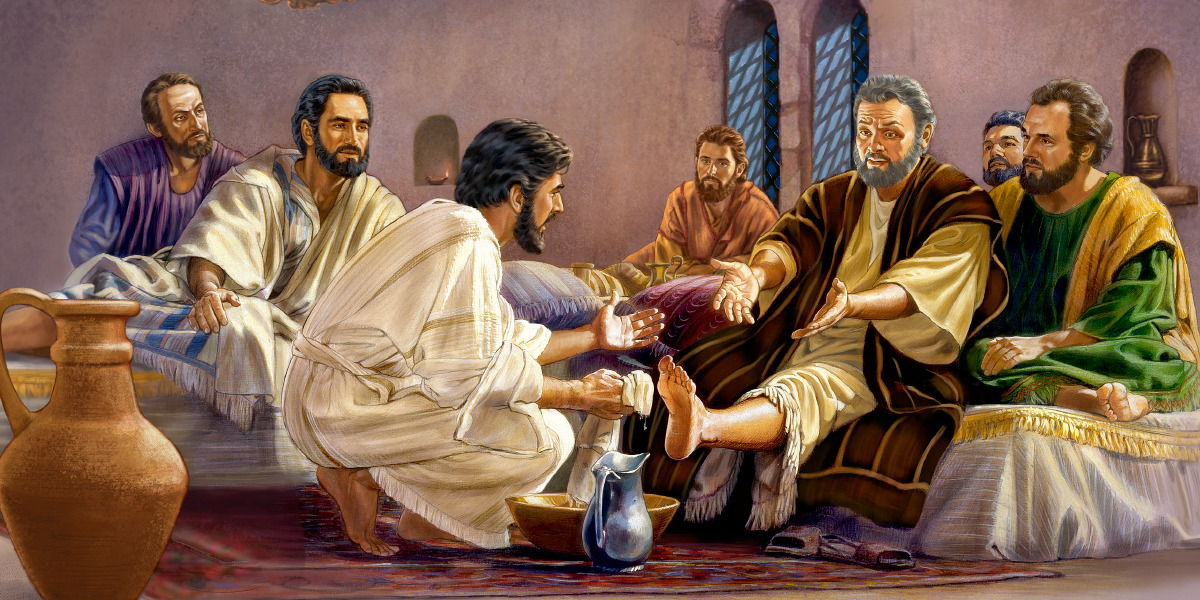
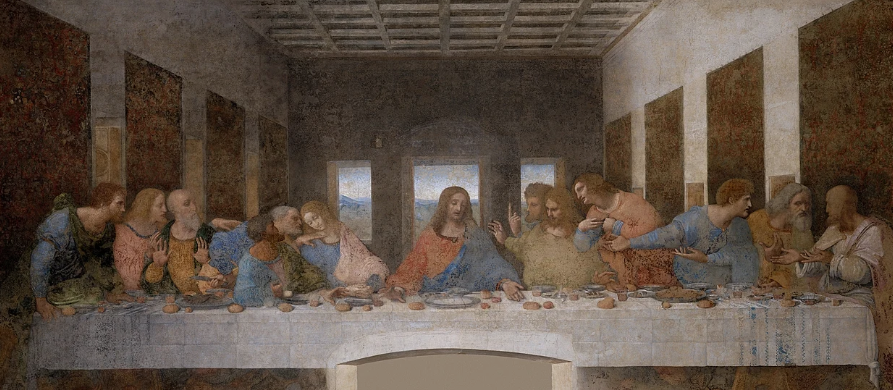
Tomorrow we will read about the Last Supper and the symbolism of Jesus washing the disciples’ feet.

Posted in teaching | Tagged , , | Leave a comment

The Olivet Discourse

Jesus often taught large crowds using parables but spoke plainly with his disciples. Sometimes Jesus would share a parable with the crowd and then explain the meaning of it to his disciples, in a more private setting. On Tuesday of Holy Week, on the Mount of Olives, Jesus was more forthcoming with his disciples than he ever had been before.

Jesus discussion with the disciples is found in the synoptic Gospels in Matthew 24-25, Mark 13 and Luke 21. There are many similarities and a few differences in the way the discourse was given but all three versions contain these elements: Jesus foretells the destruction of the Temple and/or Jerusalem, he tells of his second coming (as the Son of Man), he explains the lesson of the fig tree, and he tells them to be watchful for no one knows the day or hour. Each day the crowds would come here him teach in the temple, in Jerusalem, and each evening he would teach the disciples on the Olivet Mountain where he was staying.

There is some symbolism that is subject to interpretation. When there is disagreement, we can discuss the different schools of thought. I might even tell you which I believe is most likely. But what we will not do is argue about it. If someone is so convinced that their interpretation of the abomination of desolation is the only correct one, and they believe it is important enough to fight over. I will just concede the argument and let them have it. I consider that argument, and many others, to be purely academic. Winning the argument will not change anything on a practical level.

There are also some things I believe we can be certain of. We can be sure that Jesus will return, as he says not only here but in other places. The scripture is clear that no one, not the angels in heaven, not even Christ himself, knows when the second coming will be. Only God the Father knows. And yet people have made predictions they claimed as certainties again and again. Do not listen to those people. If they are wrong about that, they are probably wrong about other things. The Bible plainly says no one knows so their ability to read and interpret scripture should be questioned. We are also warned of false teachers.

Jesus is coming back but we don’t know when. That should have an affect on our decision making process on a daily basis. We have to be ready, there will not be time to get ready. Be sober and vigilant, watching and waiting, because his appearing could be at any moment. Love God and love others; share the Gospel with family, friends, neighbors and strangers so they can be ready too. It is the best decision you will ever make and hopefully on that point there is no debate.

Posted in Bible, teaching | Tagged , , , , , , | Leave a comment

Jesus Cleanses the Temple

If you were at church with us on Sunday morning, or have listened to Sunday’s sermon, you know that are we looking at the events of Holy Week each day leading up to Easter. Click here if you need to review, or if you are ready let’s move on.

We have four Gospels that often present similar accounts of events from the life and ministry of Jesus. Sometimes there appear to be conflicts in their story but apparent contradictions are not proof that the events did not really happen. The written accounts were recorded many years after they took place. We know that differing accounts of the same event can be found within a matter of days or even hours on social media. We are going to try to put together a basic timeline of the events of Holy Week but not all of the events are found in each Gospel and the order is not always identical. The cleansing of the temple may have been on Sunday evening or on Monday, but no one is claiming that it did not take place.

Matthew 21:12-17 records Jesus entering the Temple, apparently on Sunday evening, and driving out the money changers. The verses that follow indicate he came back the next morning and cursed a fig tree on his way into Jerusalem from Bethany, where he and the disciples were staying. Mark 11 has a slightly different timeline of the same events. Jesus looked around at everything happening in the temple on Sunday evening but then went to Bethany with his apostles. It was the next day before he entered the temple and disrupted the goings-on there. John’s Gospel does not present events in a narrative format and a careful study of that texts suggests Jesus may have ran everyone out of the temple on more than one occasion, at the beginning and then again near the end of his ministry. That would not be out of character for Jesus either.

The lesson is here is that Jesus is concerned about the temple and what takes place inside. In Matthew 21, linked above, Jesus says “It is written, ‘My house shall be called a house of prayer,’ but you make it a den of robbers.” It was the commerce, the exchange of goods for a profit, that offended Jesus. The New Testament Church is a different situation than the Temple in the first century. The church today is the people, not the building. We are the dwelling place of the Holy Spirit; we are the temple of God in the world. And he is concerned about what goes on there.

Posted in teaching | Tagged , , , , | Leave a comment

Holy Week

Holy Week, also known as Passion Week or the week of his Holy Passion, begins on Palm Sunday and runs through Easter. We celebrate the Triumphal Entry on Palm Sunday and several important events in the life and ministry of Jesus took place this week, including the institution of the Lord’s Supper and the crucifixion on Good Friday. I hope to write a few posts and discuss these events throughout this week. Meanwhile, we were in Matthew 21, 26 and 27 this morning:

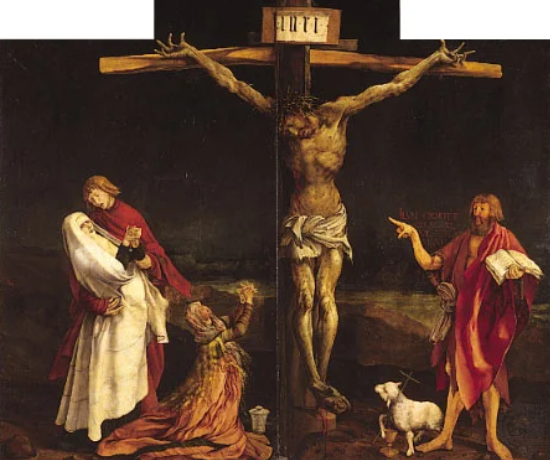
The Triumphal Entry looks like winning. The Last Supper sounds like the end, and the cross looks like losing. Things are not always as they seem and the world often gets winning and losing backwards. The preaching of the cross is foolishness to those who perish, but to those of us being saved it is the power of God. (1 Cor. 1:18)

Posted in sermon | Tagged , , , , , , , , | 1 Comment

I AM

The John 8 sermon, as promised. I summarize part of it but read from verse 31 to 59. Jesus reasons with the Pharisees and other Jews in the temple, some of whom “believe” in him but have a flawed logic regarding who he is.

Posted in sermon | Tagged , , , , , | Leave a comment

Jesus’ Ministry

Preaching, teaching and healing were all components of Jesus’ earthly ministry during his incarnation. This is a brief overview, each of these points could have been a sermon on its own if not a series of sermons. But the current series is an overview of Jesus as Immanuel, as we jump into the middle of our study based on God is Near.

*If you want to go deeper into the Sermon on the Mount, Salt and Light is the first post in a series that goes verse by verse, chapter by chapter through Matthew 5, 6 and 7. Start here and there is a link to the next sermon, Law and Prophets, in the upper right hand corner.

Posted in sermon | Tagged , , , , , | Leave a comment

God with Us

We are going to walk through the Bible using God is Near as a guide. With Easter coming up in a few weeks, though, we are going to start in the middle with the life and ministry of Jesus.

Note: Please ignore the fact that the mp3 is titled “God without Us.” Not sure how that happened.

Posted in sermon | Tagged , , , , , , | Leave a comment

God’s Good Gifts, Pt. 2

Beginning in Ephesians 2, we continue listing good gifts God has given. Last week we listed a few from the Old Testament; this week we focus on just a few of those given to the New Testament Christian believer.

Posted in sermon | Tagged , , , , , | Leave a comment

God’s Good Gifts, Pt 1

Part 1 is about gifts God has given in the Old Testament. Next week part 2 will look at additional gifts New Testament and that’s when it gets really good.

Posted in sermon | Tagged , , , | Leave a comment

God Loves His Children

Why does God give commands? In other words, why are there rules? Because he loves us.

Posted in sermon | Tagged , , , , , | Leave a comment